


How Missing Teeth Affect Oral Health and How Implants Help
Missing teeth treatment is important because missing teeth can have a significant impact on both your oral health and overall well-being. From affecting your ability to chew properly to causing long-term jawbone deterioration, missing teeth can lead to a cascade of oral health issues if left untreated. Fortunately, modern dentistry offers effective solutions such as dental implants. At Star Dental Implants, we specialize in providing permanent tooth replacement that restores both function and appearance, helping patients regain confidence and maintain optimal oral health.
We will explore how missing teeth affect oral health and why dental implants are considered one of the most reliable options for long-term tooth replacement. We will also cover types of implants, benefits, and considerations when choosing implant dentistry near me.
The Consequences of Missing Teeth
Losing a tooth is more than just a cosmetic problem. It can trigger a range of issues affecting your oral health.
Jawbone Deterioration
One of the most serious effects of missing teeth is the gradual deterioration of the jawbone. Tooth roots stimulate the jawbone through chewing and biting, maintaining bone density over time. When a tooth is lost, the jawbone in that area may begin to shrink, leading to changes in facial structure, premature aging, and a sunken appearance around the mouth.
Shifting Teeth
When a tooth is missing, adjacent teeth may start to shift toward the empty space. This can lead to misalignment, bite problems, and difficulty in cleaning teeth properly. Over time, shifting teeth can contribute to uneven wear, jaw pain, and increased risk of dental decay.
Chewing and Digestion Problems
Missing teeth make it harder to chew food efficiently. This can cause you to avoid certain healthy foods such as fruits and vegetables, potentially affecting overall nutrition. Poorly chewed food may also lead to digestive issues.
Speech Impairment
Teeth play a crucial role in speech. Missing teeth, especially in the front, can cause slurring or difficulty pronouncing certain words. Over time, this may affect self-confidence and communication.
Increased Risk of Gum Disease and Tooth Decay
Gaps from missing teeth can trap food particles, making it harder to maintain proper oral hygiene. This increases the likelihood of plaque buildup, gum disease, and decay in surrounding teeth.
Dental Implants: A Reliable Solution
Dental implants are a revolutionary solution for people seeking a permanent tooth replacement. Unlike traditional dentures or bridges, dental implants restore both the tooth and the root, providing long-term benefits for oral health and function.
What Are Dental Implants?
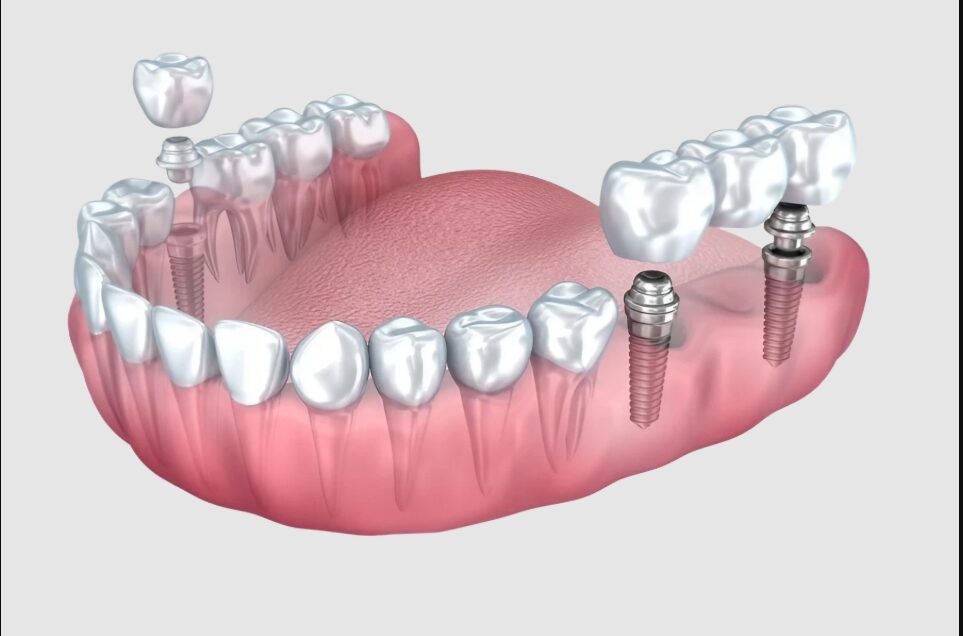
A dental implant is a small titanium post that is surgically placed into the jawbone, acting as a replacement for the root of a missing tooth. Once the implant integrates with the bone, a crown is attached to restore the appearance and functionality of the tooth. For patients with multiple missing teeth, implant supported teeth can provide a secure alternative to traditional dentures.
Types of Dental Implants
Dental implants come in different types depending on the patient’s needs:
Single Tooth Implant: This replaces one missing tooth and is ideal for filling gaps without affecting surrounding teeth.
Multiple Tooth Implants: These replace several missing teeth in a row or support implant-supported bridges.
Full Mouth Implants: This option replaces all teeth in the upper or lower jaw, providing a permanent solution for complete tooth loss.
Benefits of Dental Implants
Dental implants offer numerous advantages over other tooth replacement options:
Long-Term Solution: Implants are designed to last for decades with proper care, making them an excellent long-term tooth replacement option.
Preserve Jawbone Health: Because implants replace the tooth root, they stimulate the jawbone and prevent bone loss.
Natural Appearance and Function: Implants look, feel, and function like natural teeth, allowing patients to eat, speak, and smile with confidence.
Maintain Facial Structure: By preserving bone, implants help maintain the natural contours of your face.
Convenience: Unlike removable dentures, implants do not need to be taken out for cleaning, providing a more convenient solution.
Implant Dentistry Near Me
Finding the right dentist is critical for successful dental implant surgery. A qualified tooth implant dentist in Roseville or your local area can evaluate your oral health, create a personalized treatment plan, and perform the procedure with precision. Advanced techniques and experience in implant dental surgery ensure optimal results and faster recovery.
The Procedure for a Permanent Tooth Implant
The process of getting a dental implant involves several stages:
Consultation and Assessment: The dentist evaluates bone health, oral hygiene, and overall medical history.
Surgical Placement: The titanium implant is placed into the jawbone during implant dental surgery.
Osseointegration: Over the next few months, the implant fuses with the jawbone, creating a strong foundation.
Abutment Placement: Once the implant is stable, an abutment is attached to hold the crown.
Crown Placement: A custom-made crown is placed on top of the abutment, completing the permanent tooth implant.
Who Is a Candidate for Dental Implants?
Most healthy adults who have sufficient jawbone density are good candidates for dental implants. Patients with chronic illnesses, gum disease, or inadequate bone may require additional treatments such as bone grafting before implant surgery. A consultation with a tooth implant dentist can determine suitability for implant supported teeth.
Caring for Your Dental Implants
Proper care ensures that dental implants last for many years. Regular brushing, flossing, and routine dental checkups are essential. Unlike natural teeth, implants are resistant to decay but can still be affected by gum disease if oral hygiene is neglected.
Long-Term Benefits of Choosing Dental Implants
Choosing dental implants as a long-term tooth replacement provides several health and lifestyle benefits:
Improved confidence and self-esteem due to a natural-looking smile.
Better chewing efficiency, allowing a balanced and healthy diet.
Prevention of jawbone deterioration and preservation of facial structure.
Stability compared to removable dentures, reducing speech and eating difficulties.
Minimal impact on surrounding teeth, unlike traditional bridges that may require grinding of adjacent teeth.
Conclusion
Missing teeth can have profound effects on oral health, from bone loss to speech difficulties and misalignment. Dental implants provide a reliable, permanent tooth replacement option that restores both function and appearance while supporting long-term oral health. Whether you are considering a single tooth implant or implant supported teeth, consulting a qualified tooth implant dentist in Roseville can help you find the best solution.
Dental implants are more than just a cosmetic upgrade. They are an investment in your oral health, confidence, and quality of life. Contact us today to schedule a consultation and take the first step toward a healthier, more confident smile.
Frequently Asked Questions
1. How long does a dental implant last?
With proper care, dental implants can last 20 years or more, making them an excellent long-term tooth replacement option.
2. Is getting a dental implant painful?
Most patients experience minimal discomfort during and after implant dental surgery. Local anesthesia and modern techniques make the procedure relatively painless.
3. Can anyone get dental implants?
Most healthy adults are candidates, but patients with severe bone loss or chronic conditions may need additional treatments. A consultation with a tooth implant dentist is required.
4. How long does the implant process take?
The full process can take several months, including healing time for osseointegration, but the results are long-lasting and natural-looking.
5. Are dental implants covered by insurance?
Coverage varies depending on your dental plan. Many plans partially cover implant procedures, but it is best to confirm with your insurance provider.
