


Dental Implant Materials: Titanium vs Zirconia Implants
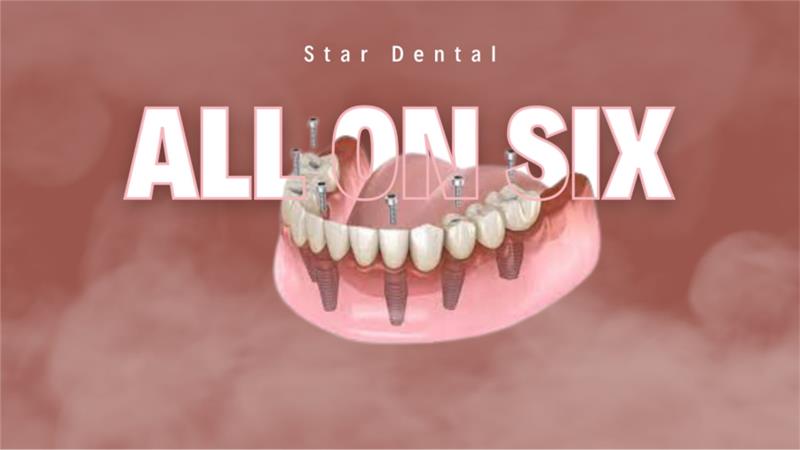
Dental implants have revolutionized the field of restorative dentistry. Patients seeking permanent tooth replacement now have reliable solutions that not only restore function but also enhance aesthetics. If you are looking for a tooth implant dentist or searching for implant dentistry near me, understanding the materials used in dental implants can help you make informed decisions. At Star Dental Implants, we provide personalized implant solutions using the latest technology and high-quality materials. Two of the most popular options available today are titanium and zirconia implants.
What Are Dental Implants?
Dental implants are artificial tooth roots that provide a stable foundation for single tooth implants, implant supported teeth, or full arch restorations. Unlike dentures, which may slip or require adhesives, dental implants integrate with the jawbone through a process called osseointegration. This integration ensures that the implants function like natural teeth, making them a preferred long term tooth replacement solution.
The success of dental implants depends on multiple factors, including the patient’s oral health, bone density, and the material used for the implant. Titanium and zirconia are the most widely used materials in implant dental surgery, each offering unique advantages.
Titanium Dental Implants
Titanium has been the gold standard in implant dentistry for decades. It is a metal known for its strength, durability, and biocompatibility. Titanium implants have a long history of success and are suitable for a variety of dental restoration procedures.
Advantages of Titanium Implants
Titanium implants offer several benefits:
- Proven Durability: Titanium is highly resistant to corrosion and mechanical stress. Patients receiving a permanent tooth implant made from titanium can expect many years of reliable function.
- High Success Rate: Studies have shown that titanium implants have a success rate exceeding 95 percent when placed by experienced tooth implant dentists.
- Versatility: Titanium implants can be used for single tooth implants, multiple tooth restorations, or full arch implant supported teeth.
- Osseointegration: Titanium has a unique ability to bond with bone tissue, providing excellent stability for implant dental surgery.
Considerations for Titanium Implants
Despite its advantages, titanium is a metal and may not be ideal for every patient. Some individuals may have a metal allergy or prefer a metal-free restoration for aesthetic reasons. In addition, titanium implants can sometimes appear slightly grey at the gumline, especially in patients with thin gingival tissue.
Zirconia Dental Implants
Zirconia implants are a newer alternative to titanium. Zirconia is a ceramic material that combines strength and biocompatibility with natural tooth color. Zirconia implants have gained popularity among patients seeking metal-free dental solutions.
Advantages of Zirconia Implants
Zirconia implants offer unique benefits:
- Aesthetic Appeal: The white color of zirconia closely resembles natural teeth, making it ideal for patients with high aesthetic demands.
- Biocompatibility: Zirconia is metal-free and highly resistant to bacterial colonization. This can reduce the risk of gum inflammation around implant supported teeth.
- Durability: Modern zirconia implants are strong and can withstand normal biting and chewing forces.
- Reduced Allergic Reactions: Zirconia is suitable for patients who are sensitive to metals or have experienced reactions to titanium.
Considerations for Zirconia Implants
While zirconia implants are aesthetically appealing, they may not be as versatile as titanium for complex implant dental surgery. They are primarily used for single tooth implants or limited restorations. Additionally, zirconia implants require precise placement and may not be suitable for all patients with limited bone density.
Titanium vs Zirconia: Key Differences
When comparing titanium and zirconia implants, it is important to evaluate multiple factors:
- Aesthetics: Zirconia offers a more natural look, particularly in the front teeth. Titanium may show a grey tint under thin gums.
- Strength and Durability: Titanium has decades of proven success and can handle more complex dental restorations. Zirconia is strong but may be less forgiving in high-load areas.
- Biocompatibility: Both materials integrate with bone, but zirconia is metal-free and may reduce allergic reactions or gum irritation.
- Surgical Versatility: Titanium is suitable for a wider range of implant dental surgery procedures, including multiple tooth and full arch restorations.
- Longevity: Both materials provide long term tooth replacement when properly maintained with oral hygiene and regular dental visits.
Choosing the Right Implant for You
Selecting the best dental implant material depends on your specific needs and preferences. Your tooth implant dentist will consider factors such as:
- The location of the implant
- The condition of your jawbone
- Your aesthetic preferences
- Any known allergies or sensitivities to metals
- Your long term tooth replacement goals
For patients looking for a permanent tooth implant or implant supported teeth in Roseville, scheduling a consultation is the first step. During this appointment, your dentist will evaluate your oral health, discuss implant options, and create a personalized treatment plan.
Maintaining Your Dental Implants
Regardless of whether you choose titanium or zirconia, proper care is essential for the longevity of dental implants. Recommendations include:
- Brushing at least twice daily with a soft-bristle toothbrush
- Flossing around implant supported teeth to prevent plaque buildup
- Attending regular checkups for professional cleaning and monitoring
- Avoiding habits that could damage the implants, such as chewing on hard objects
With proper care, dental implants can last for decades, providing a reliable and aesthetically pleasing solution for long term tooth replacement.
Cost Considerations
The cost of dental implants can vary depending on the material, complexity of the procedure, and location. Titanium implants are generally more cost-effective due to their long-standing use and versatility. Zirconia implants may carry a slightly higher price, reflecting their aesthetic appeal and metal-free composition. When searching for implant dentistry near me, consider both cost and long-term benefits to determine the most suitable option.
Conclusion
Choosing between titanium and zirconia implants is a decision that involves aesthetics, functionality, and personal preference. Titanium implants remain the most widely used due to their strength, versatility, and proven track record. Zirconia implants offer a metal-free, natural-looking alternative ideal for patients focused on appearance and biocompatibility. For anyone considering a permanent tooth implant, single tooth implant, or implant supported teeth in Roseville, consulting a qualified tooth implant dentist is essential for a successful outcome.
If you are ready to explore your options or schedule an appointment, contact us today to discuss your dental implant needs and begin your journey toward long term tooth replacement.
FAQ
Q: How long do dental implants last?
A: With proper care, dental implants can last 20 years or more, making them an excellent long term tooth replacement solution.
Q: Are zirconia implants as strong as titanium?
A: Zirconia implants are strong and suitable for most single tooth implants, but titanium remains the preferred option for multiple tooth restorations or full arch cases.
Q: Is dental implant surgery painful?
A: Implant dental surgery is typically performed under local anesthesia. Patients may experience mild discomfort during recovery, but most report minimal pain.
Q: Can I get a dental implant if I have a metal allergy?
A: Yes, zirconia implants provide a metal-free alternative suitable for patients with metal sensitivities.
Q: How do I care for my dental implants?
A: Regular brushing, flossing, and dental checkups are essential. Avoid chewing hard objects and follow your dentist’s post-operative instructions for optimal results.
