


Clear Aligners vs Braces: A Modern Approach to Straight Teeth
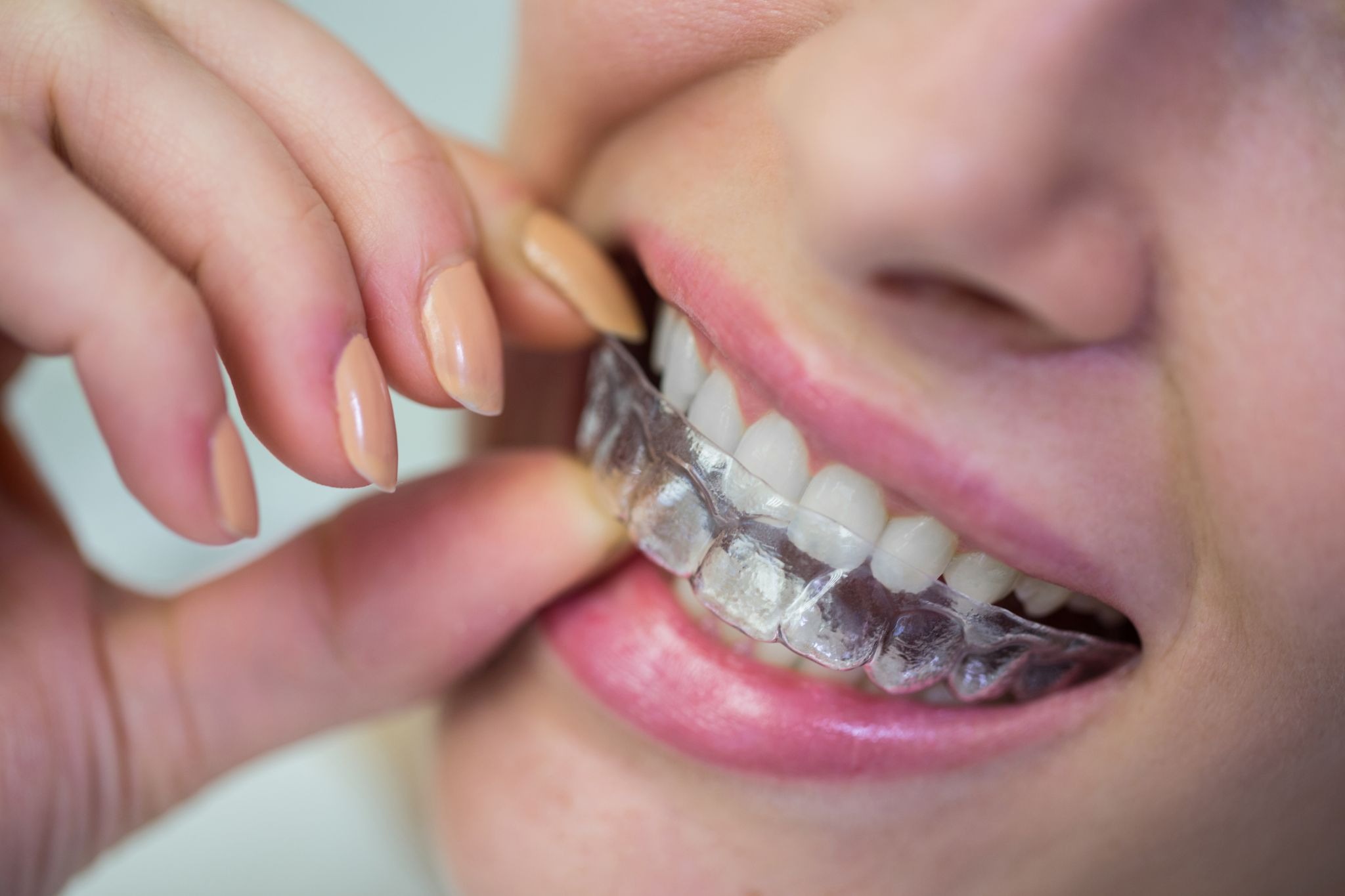
Orthodontic treatments have evolved significantly over the last few decades. While traditional braces remain a reliable and effective solution for correcting misaligned teeth, clear aligners have gained tremendous popularity among patients seeking a more discreet and comfortable option. Clear aligners are virtually invisible, removable, and customized to fit the unique contours of each patient’s teeth, making them a convenient choice for busy lifestyles.
Compared to braces, clear aligners offer greater flexibility in oral hygiene and diet, as they can be removed during meals and while brushing or flossing. On the other hand, braces are often recommended for more complex cases, providing precise control over tooth movement.
At Star Dental Implant and Cosmetic Center, orthodontists combine expertise with modern technology to help patients select the treatment that best fits their needs. Insights from recent orthodontic research highlight that clear aligners are highly effective for mild to moderate misalignments, while braces remain a gold standard for complex corrections. With options like these, patients can achieve straighter, healthier teeth.
Understanding Orthodontic Treatments
Orthodontics is the branch of dentistry focused on correcting teeth and jaw alignment. Misaligned teeth can cause functional issues such as difficulty chewing, speech problems, and jaw pain, as well as aesthetic concerns. Two of the most widely used orthodontic treatments today are traditional braces and clear aligners.
What Are Traditional Braces?
Traditional braces consist of metal brackets attached to the teeth, connected by wires and elastic bands. Over time, the tension applied to the brackets gradually moves teeth into their desired position. Braces are effective for a wide range of alignment issues, including severe malocclusion.
Pros of Braces:
- Effective for complex cases
- No patient compliance needed
- Durable and reliable
Cons of Braces:
- Less aesthetically appealing
- May cause discomfort and irritation
- More challenging to maintain oral hygiene
What Are Clear Aligners?
Clear aligners, such as Invisalign, are a series of transparent, removable trays that gradually shift teeth. Each set of aligners is custom-made based on digital scans and treatment plans designed by orthodontists.
Pros of Clear Aligners:
- Virtually invisible
- Comfortable, with no metal brackets or wires
- Removable for eating and oral hygiene
- Customizable treatment plans
Cons of Clear Aligners:
- Require patient compliance
- May be less effective for severe cases
- Can be more expensive than traditional braces
Clear aligners’ benefits extend beyond aesthetics—they are designed to maximize comfort, minimize irritation, and allow patients to continue their daily routines with minimal disruption.
Clear Aligners vs Braces: Key Differences
When deciding between clear aligners and braces, several factors should be considered, including treatment effectiveness, comfort, aesthetics, and lifestyle. The table below summarizes the main differences:
| Feature | Clear Aligners | Traditional Braces |
|---|---|---|
| Visibility | Nearly invisible | Highly visible |
| Comfort | Smooth, gentle on gums | Can cause irritation and sores |
| Oral Hygiene | Removable for brushing/flossing | Fixed, harder to clean |
| Treatment Duration | Often shorter for mild/moderate cases | Effective for all cases, may take longer |
| Dietary Restrictions | Minimal | Avoid sticky/hard foods |
| Maintenance | Requires consistent wear | Requires regular adjustments |
| Cost | Higher, depending on complexity | Generally lower |
This comparison highlights why many patients prefer clear aligners, especially when comfort and aesthetics are top priorities.
Benefits of Clear Aligners
Orthodontic treatment researchers have identified several benefits of clear aligners that contribute to their growing popularity.
Focus on Comfort
Clear aligners are made from smooth plastic, reducing the risk of cuts or sores in the mouth. Unlike traditional braces, they don’t require metal brackets or wires, which often cause discomfort.
Aesthetic Appeal
For adults and teenagers concerned about appearance, clear aligners offer a discreet solution. Patients can smile confidently throughout treatment, which has made them a preferred option in modern orthodontics.
Convenience and Flexibility
Because aligners are removable, patients can eat without restrictions and maintain oral hygiene more easily. This flexibility also allows for simpler adjustments in daily routines, including professional or social activities.
Predictable Treatment Outcomes
Advanced digital planning tools allow orthodontists to simulate the entire treatment process. This helps predict tooth movement, monitor progress, and make adjustments as needed, improving overall results.
Invisalign: A Leading Clear Aligner Brand
Invisalign is one of the most well-known clear aligner systems. It uses a series of custom-made trays designed to move teeth into alignment gradually. Orthodontists rely on Invisalign’s digital technology to create precise treatment plans for each patient, making it one of the most effective cosmetic dental solutions for achieving a straighter, more confident smile.
Key Advantages of Invisalign:
- Customized treatment plans for individual needs
- Regular monitoring ensures predictable results
- Aligners can be removed for important occasions
- Encourages consistent patient compliance through wear schedules
Orthodontic treatment researchers have studied Invisalign extensively, confirming its effectiveness for mild to moderate cases of crowding, spacing, and bite issues.
Factors to Consider When Choosing Between Clear Aligners and Braces
Choosing the right orthodontic treatment depends on multiple factors. Here’s what patients should consider:
Severity of Misalignment
Severe malocclusions, complex bite issues, or significant tooth rotation may still require traditional braces. Clear aligners are highly effective for mild to moderate cases but may not be ideal for every patient.
Patient Lifestyle
Clear aligners suit patients who value convenience and discretion. Individuals with active lifestyles or those who frequently attend social events may prefer a removable, low-profile option.
Cost and Insurance Coverage
While clear aligners can be more expensive than traditional braces, many dental insurance plans now offer partial coverage. Patients should consult their orthodontist and insurance provider to understand their options.
Treatment Duration
Treatment duration varies by case complexity. Clear aligners can sometimes shorten the treatment period due to precise digital planning, but severe cases may still require braces for faster or more predictable results.
Conclusion
Both clear aligners and traditional braces play important roles in modern orthodontics. Clear aligners offer comfort, aesthetics, and convenience, while braces remain a reliable solution for complex cases. Understanding the benefits and limitations of each option allows patients to choose the treatment that best fits their lifestyle and oral health goals. Consulting with a qualified orthodontist ensures that the chosen method is both safe and effective.
With the rise of Invisalign and other clear aligner systems, the focus of orthodontics has shifted towards patient comfort and appearance, reflecting a modern approach to achieving healthy, straight teeth. For personalized guidance and to explore the best orthodontic solution for you, contact us at Star Dental today to schedule a consultation!
Frequently Asked Questions
Q1. Are clear aligners suitable for children?
Clear aligners can be used for teenagers who have all or most of their permanent teeth. Younger children may benefit more from braces depending on the case complexity.
Q2. How long does treatment with clear aligners typically take?
Most treatments last between 6 and 18 months, though this varies based on alignment complexity and patient compliance.
Q3. Can clear aligners fix bite problems?
Mild to moderate bite issues can be addressed effectively, but severe cases may still require traditional braces or additional orthodontic appliances.
Q4. Do clear aligners affect speech?
Some patients may experience a slight lisp when first wearing aligners, but it usually resolves within a few days.
Q5. How often should aligners be worn?
For best results, aligners should be worn for 20–22 hours per day, removed only for eating, drinking (except water), and oral hygiene.
Q6. Are braces more effective than clear aligners?
Braces are generally more suitable for complex cases, but clear aligners provide comparable results for many mild to moderate alignment issues.
